
Dr. Don Bolt, D.C. gives every patient at Bolt Chiropractic Family Wellness specific instructions for the hours between visits. What you do at home, at work, and in the car decides how fast your spine recovers and whether your results hold. This page explains what lifestyle advice looks like in this Oxnard office and who gains the most from it.
Why lifestyle advice is part of every treatment plan
A treatment session lasts under an hour. The other 23 hours belong to you. A patient with a herniated disc who sits slumped for eight hours a day reloads the same disc the decompression table unloaded an hour earlier.
Dr. Bolt has practiced in Ventura County for more than 35 years. Over those years he has watched the same pattern repeat: patients who change two or three daily habits recover faster and come back less often. Lifestyle advice targets the habits with the largest effect on your specific condition.
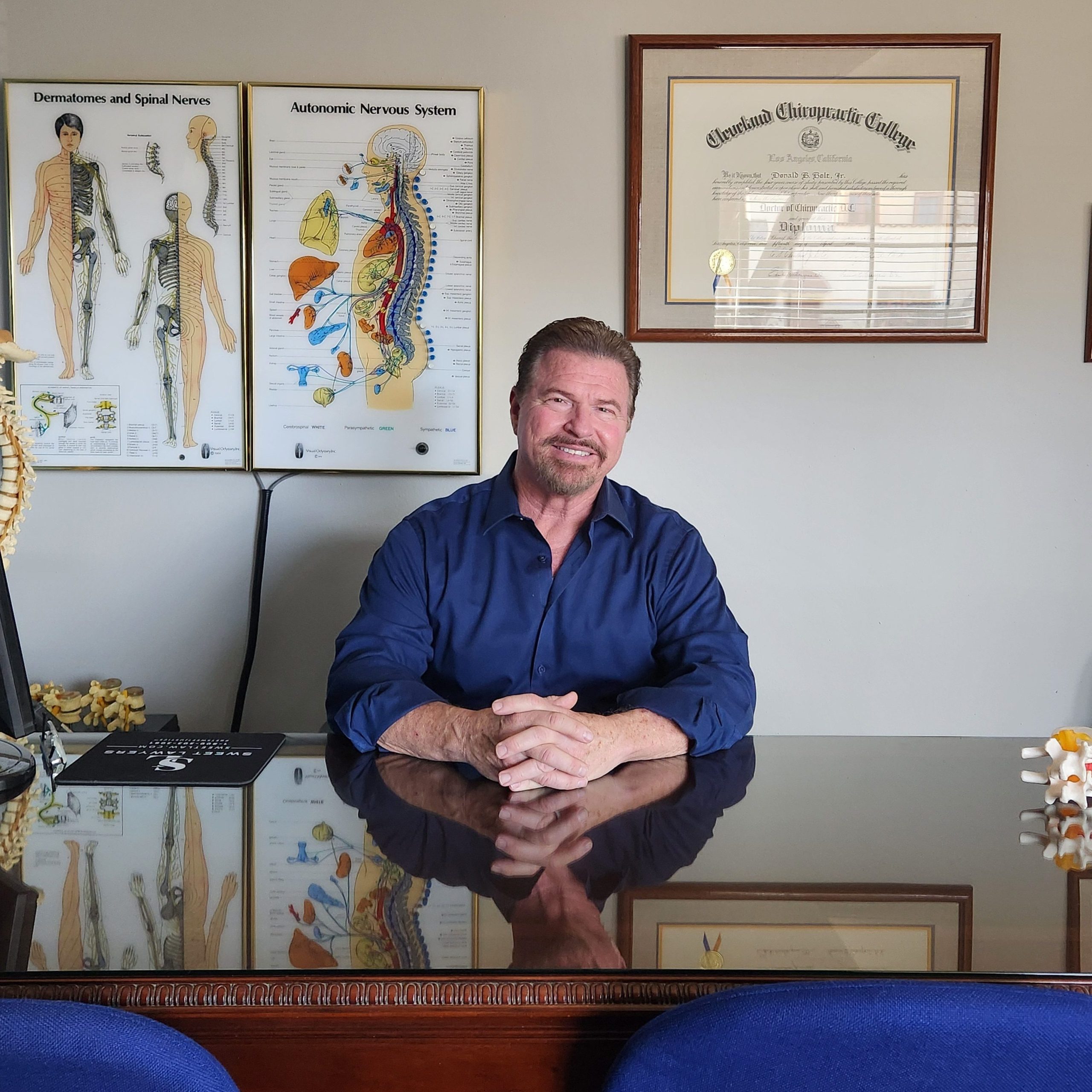
What Dr. Bolt evaluates
At your first visit, Dr. Bolt reviews your history, your exam findings, and any MRI or X-ray reports you bring. He then asks about the parts of your day most likely to load your spine and joints:
- How you sit, for how long, and in what kind of chair
- How you sleep, including mattress age and pillow height
- How you lift, carry, and bend at home and at work
- How far you walk each day and whether pain stops you early
- Your weight and its load on your lower back, hips, and knees
- Footwear, especially for patients with foot, knee, or hip pain
- Driving time, since many patients commute on the 101 between Oxnard, Ventura, and Camarillo
- Current medications and prior treatments, so advice never conflicts with care from your physician
The answers shape the written instructions you take home.
Advice by condition
Generic advice fails because different conditions respond to opposite things. Dr. Bolt matches instructions to your diagnosis.
Spinal stenosis. Most stenosis patients walk better leaning slightly forward. Dr. Bolt teaches a flexion-biased approach: shorter walks with rest breaks, and leaning on a shopping cart or walker when needed. Standing still for long periods tends to bring on leg symptoms, so patients learn to keep moving or sit.
Herniated and bulging discs. Sitting raises pressure inside the disc more than standing does. Patients learn how to sit with lumbar support, how to get in and out of a car, and how to avoid bending and twisting at the same time. These instructions run alongside spinal decompression and herniated disc treatment.
Degenerative disc disease. Discs lose water content with age. Regular walking, hydration, and avoiding long static postures help patients keep the range of motion they still have.
Sciatica and lumbar radiculopathy. Dr. Bolt identifies the positions which ease your leg pain and assigns them as home positions. You also learn which activities to pause until the nerve settles. See sciatica treatment in Oxnard.
Arthritis-related joint pain. Movement keeps arthritic joints working. Dr. Bolt prescribes low-impact activity and weight management to reduce load on hips and knees.
Post-surgical spine conditions. Patients who have had spine surgery receive instructions which respect the surgeon’s protocol and the limits of the repair.
Sleep, sitting, and lifting
These three habits account for most of the spinal load in a normal day, so they get the most attention.
Sleep. Side sleeping with a pillow between the knees unloads the lower back. Back sleeping with a pillow under the knees reduces lumbar strain. Stomach sleeping turns the neck for hours at a time and is the first habit most neck pain patients are asked to drop. A mattress past 8 to 10 years old usually needs replacing.
Sitting. Hips level with or slightly above the knees, feet flat, lumbar support in place, screen at eye height. Stand and move every 30 minutes. Patients who work from home in Oxnard or Camarillo often bring a photo of their desk setup so Dr. Bolt can review it.
Lifting. Hinge at the hips, keep the load close to your body, and never twist under load. Patients recovering from a disc injury get a weight cap until cleared.
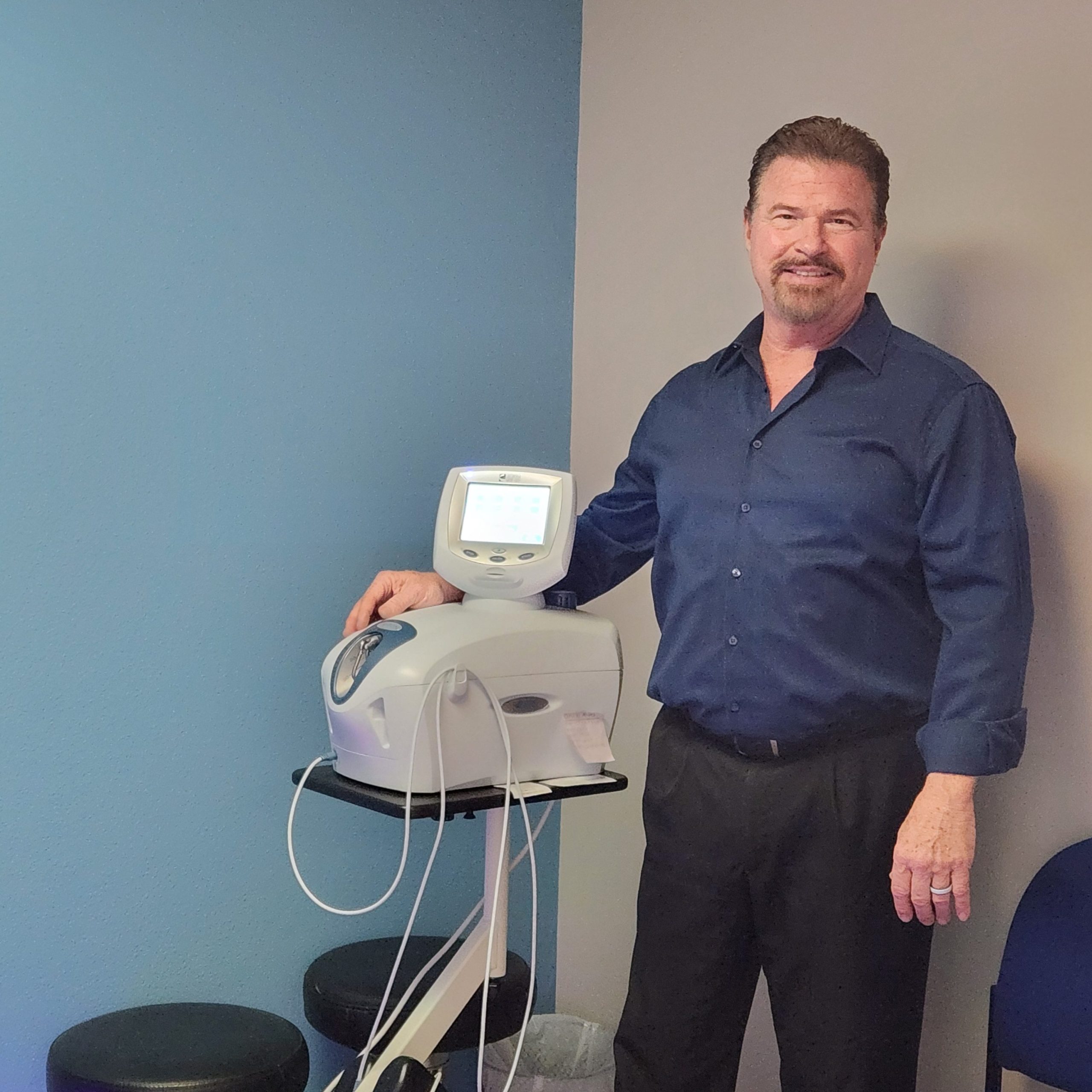
Advice for active adults and seniors
This practice is built around active adults and seniors in Oxnard, Port Hueneme, Ventura, and Camarillo who want to stay independent. Patients tell Dr. Bolt they want to keep traveling, gardening, walking at Hollywood Beach, playing with grandchildren, and attending church without pain running the schedule.
Lifestyle advice for seniors covers:
- Fall-prevention habits at home, including lighting, loose rugs, and grab bars
- Daily walking targets set to current ability and raised in small steps
- Safe ways to get up from chairs, beds, and the floor
- When a cane or walker helps and when it holds you back
- Travel strategies: seat choice, movement breaks on long drives and flights, and luggage handling
Adult children often bring a parent in. Dr. Bolt includes family members in the conversation when the patient agrees. The Senior Spine and Mobility Program builds on this same advice.
How lifestyle advice fits with treatment
Lifestyle advice supports treatment. It does not replace it. A typical spinal decompression plan runs 19 to 29 sessions depending on the condition. Patients who follow their home instructions between sessions protect the gains made on the table. Dr. Bolt reviews and updates your instructions as you progress. Where strength or movement patterns are the problem, corrective exercises are added. Weight and hydration questions tie into nutritional consultations.
Veterans and personal injury patients
Veterans treated through VA Community Care receive the same guidance, adapted to service-related injuries and the physical demands of military work. See chiropractic treatment for veterans. Auto accident patients receive instructions for the acute phase, when the wrong movement delays healing. Documentation is provided for personal injury cases when your attorney or insurer needs it. See auto injuries.
Request a Chronic Pain Evaluation
If pain is shaping your days in Oxnard or anywhere in Ventura County, request a chronic pain evaluation. Dr. Bolt will review your history, examine you, and tell you which habits matter most for your condition.
Request a Chronic Pain Evaluation
Frequently asked questions
Is lifestyle advice a separate appointment?
No. It is part of every treatment plan. Some patients book a dedicated visit to review their home and work setup in detail.
Does Dr. Bolt give nutrition advice?
He gives basic guidance on weight management and hydration as they relate to spine and joint load. Fuller nutrition questions are handled through nutritional consultations.
Will I get written instructions?
Yes. You leave with written instructions matched to your diagnosis, and they are updated as you progress.
I have spinal stenosis. Should I stop walking?
No. Most stenosis patients do well with shorter, more frequent walks and a slight forward lean. Dr. Bolt sets the distance based on your exam.
Is my adult child welcome at the visit?
Yes. Family members are welcome when the patient agrees, and many seniors prefer it.
Does Medicare cover this?
Lifestyle advice is included in treatment visits. The office accepts Medicare and cash pay. The front desk confirms coverage before your first visit.
Ready to Get Started?
Call the Oxnard office or request an appointment online to schedule your visit with Dr. Bolt.