
Physiotherapy at Bolt Chiropractic Family Wellness means the in-office treatments used alongside adjustments and decompression to reduce pain, calm inflamed tissue, and restore movement. Dr. Don Bolt, D.C. selects the modality based on the tissue involved and the stage of your injury. This page covers which treatments are used, who they help, and how they fit into a full plan.
What physiotherapy means in this office
Many patients arrive expecting a separate physical therapy clinic. Here, physiotherapy modalities are delivered in the same visit as your chiropractic care, under Dr. Bolt’s direction. Dr. Bolt has practiced in Oxnard for more than 35 years and uses physiotherapy for two jobs: controlling pain so you tolerate corrective work, and speeding tissue repair so the gains from treatment last.
The modalities available in the office include:
- Electrical muscle stimulation to reduce muscle spasm and pain
- Hot and cold therapy matched to the stage of injury
- Mechanical traction and spinal decompression for disc and nerve conditions
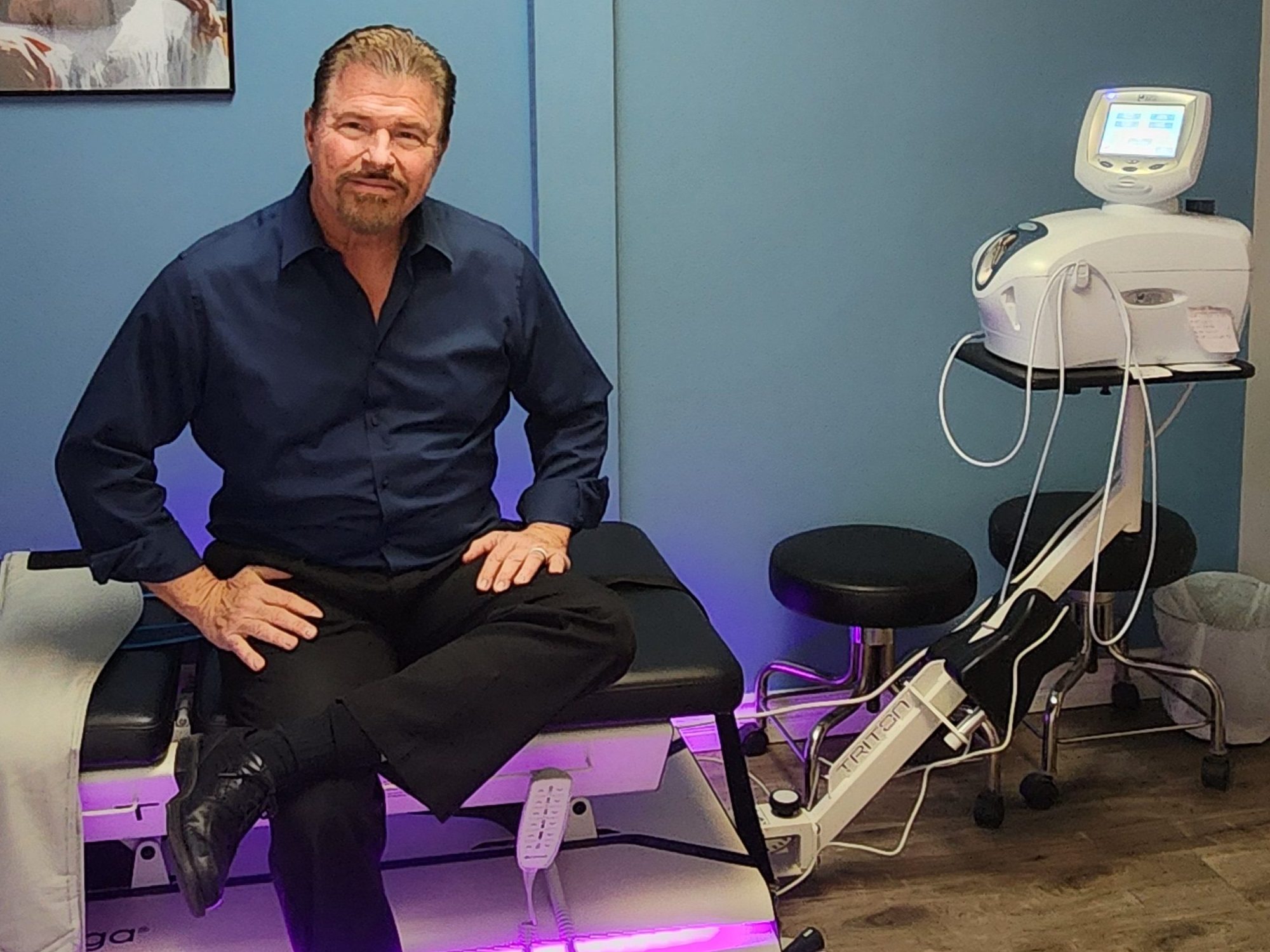
- Therapeutic laser therapy for inflammation and nerve pain
- Shockwave therapy for chronic tendon and scar tissue problems
- Pressure wave, whole body vibration, Hypervolt percussion, and Compex muscle stimulation for soft-tissue and strength work
- Supervised corrective exercises and stretching
Not every patient receives every modality. The plan depends on your diagnosis.
Phases of care
Physiotherapy changes as your condition changes. Dr. Bolt structures care in three phases.
Phase one: pain control. In the first visits the goal is to reduce pain and inflammation so you move. Electrical stimulation, ice or heat, and gentle traction do most of the work. Patients with acute sciatica or a fresh auto injury spend the most time here.
Phase two: tissue repair and mobility. Once pain drops, treatment shifts to healing the tissue and restoring range of motion. Laser and decompression are used along with adjustments and early exercises.
Phase three: strength and prevention. The final phase builds the strength and movement control needed to keep the problem from returning. Exercise takes over from passive treatment. Visits spread out.
A typical decompression-based plan runs 19 to 29 sessions across these phases. Simpler cases finish sooner.
Conditions treated with physiotherapy
Chronic neck and back pain. Long-standing pain usually involves tight muscles, stiff joints, and deconditioned stabilizers. Physiotherapy addresses the muscle component while adjustments and exercise handle the rest.
Herniated and bulging discs. Traction and decompression reduce pressure on the disc. Laser and electrical stimulation ease the muscle guarding around it. See herniated disc treatment.
Sciatica and lumbar radiculopathy. Nerve pain down the leg responds to decompression plus laser for nerve inflammation. See sciatica treatment in Oxnard.
Spinal stenosis. Flexion-based traction and exercise open the canal. Physiotherapy improves walking distance, which is the outcome stenosis patients care about most.
Arthritis-related joint pain. Laser and gentle mobility work reduce stiffness in arthritic hips, knees, and shoulders.
Tendon and ligament injuries. Shoulder tendinitis, tennis elbow, plantar fasciitis, and old sprains respond to shockwave and laser combined with loading exercises.
Post-surgical spine conditions and failed back surgery. Patients who still hurt after surgery receive conservative care for the segments above and below the fusion, within the surgeon’s restrictions.
Auto accident injuries. Whiplash and lower back strain from a collision need early pain control and then progressive mobility work. See auto injuries.
Physiotherapy for seniors
Most patients here are active adults and seniors from Oxnard, Port Hueneme, Ventura, and Camarillo. Physiotherapy for this group is gentle by design. Traction forces are lower, sessions are shorter, and treatment positions are chosen for comfort. Patients with osteoporosis, joint replacements, or pacemakers tell Dr. Bolt at the first visit so modalities are chosen safely. The Senior Spine and Mobility Program uses these same treatments in a structured plan.
Veterans and personal injury patients
Veterans with VA Community Care authorization receive physiotherapy as part of their approved plan. Service-related injuries to the back, neck, shoulders, and knees respond well to the combination of decompression, laser, and shockwave. See chiropractic treatment for veterans.
Personal injury patients receive detailed treatment notes and progress reports. The office accepts attorney liens and med pay on auto injury cases.
What a physiotherapy visit looks like
A visit lasts 30 to 45 minutes depending on the plan. A typical session in phase two runs in this order:
- Brief check-in on pain level and function since the last visit
- Heat or electrical stimulation to prepare the tissue
- Decompression or traction if prescribed
- Chiropractic adjustment
- Laser on the treated area
- Review of home exercises and any changes
You do not need a referral. Bring any MRI, X-ray, or surgical reports to the first visit so Dr. Bolt treats the right tissue with the right modality.
Request a Chronic Pain Evaluation
If pain has limited you for months and earlier treatment did not hold, request a chronic pain evaluation. Dr. Bolt will examine you, review your imaging, and lay out which treatments fit your case.
Request a Chronic Pain Evaluation
Frequently asked questions
Is this the same as physical therapy?
The modalities overlap. Here they are delivered in the same visit as chiropractic care and directed by Dr. Bolt, so you do not travel between two clinics.
How many sessions will I need?
It depends on the condition. Decompression-based plans run 19 to 29 sessions. Simpler strains resolve in fewer.
Does physiotherapy hurt?
Most modalities are comfortable. Electrical stimulation feels like a tingling. Traction feels like a gentle pull. Report anything sharp.
I have a pacemaker. Are these treatments safe?
Some electrical modalities are avoided with pacemakers. Tell the office before your first visit and Dr. Bolt will choose accordingly.
Do I need a referral?
No. Veterans using VA Community Care need their authorization. Everyone else books directly.
Does Medicare cover physiotherapy here?
The office accepts Medicare and cash pay. Coverage for specific modalities varies, and the front desk confirms your benefits before treatment starts.
Ready to Get Started?
Call the Oxnard office or request an appointment online to schedule your visit with Dr. Bolt.